The Future of Industrial Safety and How Smart PPE Is Redefining Workplace Protection
Smart PPE is transforming workplace safety with AI and sensors. Discover how connected gear keeps workers safer — only on Safety Online.
Introduction
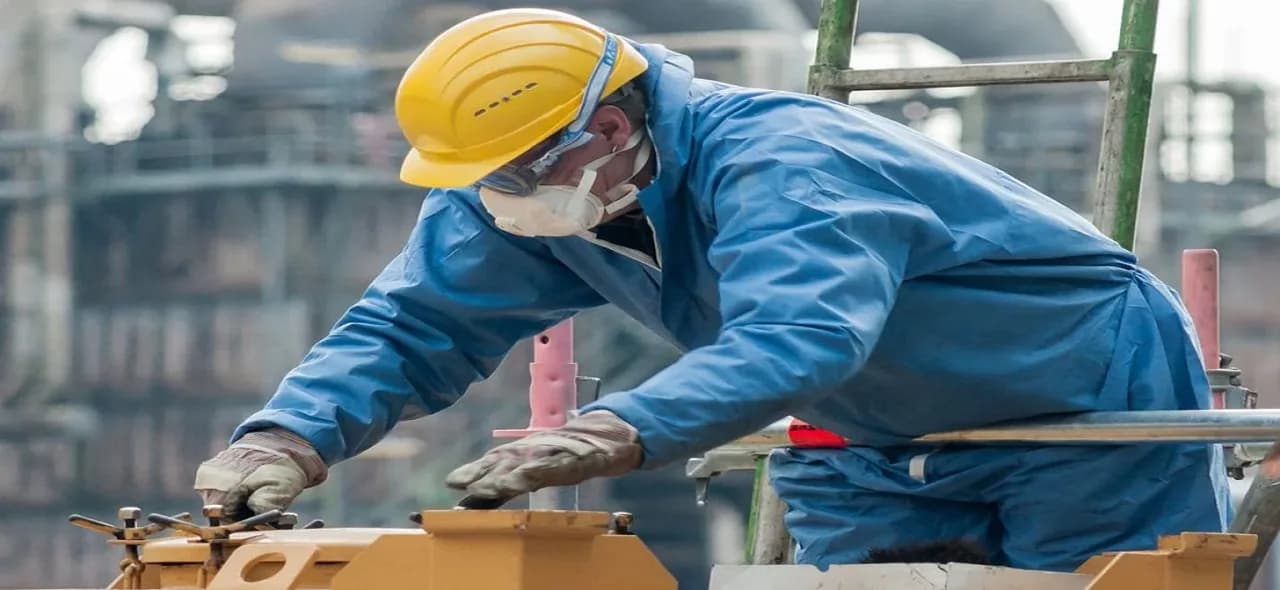
Industrial safety has entered a new era. With technology reshaping every aspect of the workplace, smart PPE (Personal Protective Equipment) is now redefining how organizations protect their people. From construction to chemical plants, connected gear powered by sensors and AI ensures that safety isn’t reactive — it’s predictive.
In this article, we explore how smart PPE is revolutionizing workplace protection, and why businesses across India are rapidly adopting these innovations — many of which you can find on Safety Online, India’s trusted B2B marketplace for safety products.
1. The Evolution of PPE
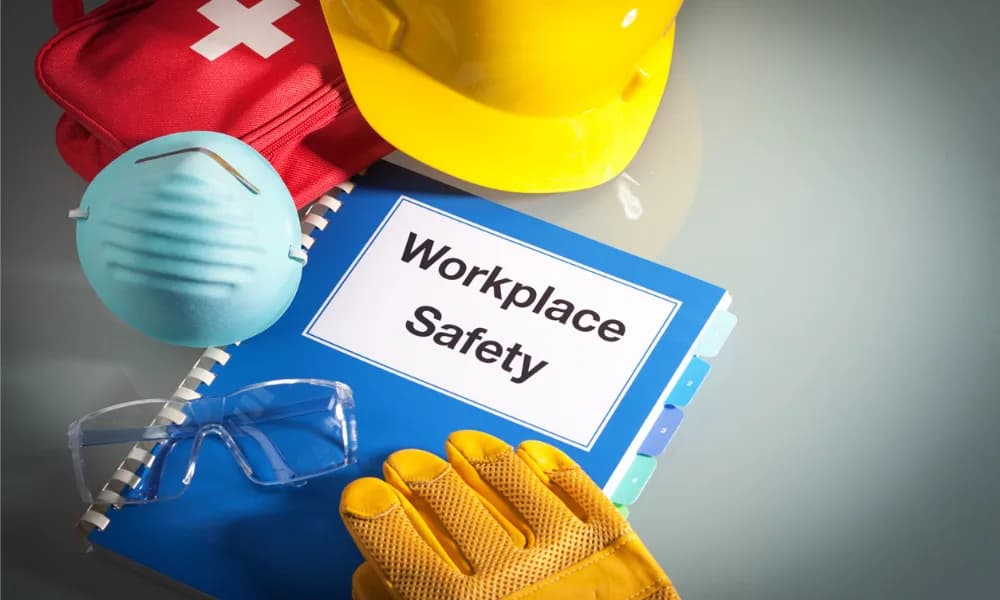
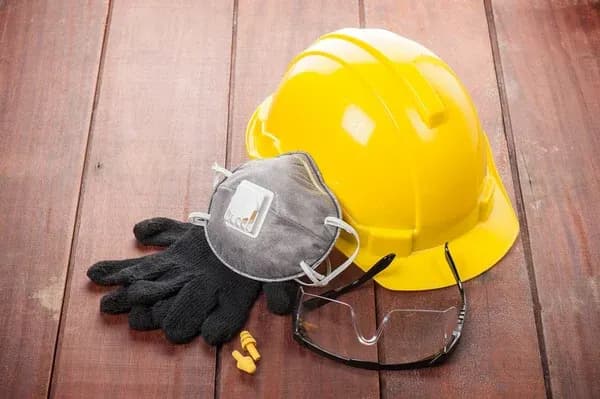
Traditional PPE — helmets, gloves, boots, and safety glasses — served one purpose: protection from physical hazards. But the future of PPE is intelligent.
Smart PPE integrates sensors, IoT connectivity, and real-time data to detect risks before accidents happen. For instance, smart helmets can track fatigue, while connected gloves monitor vibration and hand posture to prevent strain injuries.
2. How Smart PPE Works
Smart PPE combines three key technologies:
Sensors: Detect temperature, gas leaks, impact, or heart rate.
Connectivity: Transmits real-time data via Bluetooth or Wi-Fi.
Analytics: AI-driven dashboards alert supervisors about unsafe patterns.
3. Smart Helmets and Wearables
Smart helmets are equipped with GPS tracking, motion sensors, and impact detection. They ensure head protection while also enabling live monitoring of workers in remote or hazardous locations.
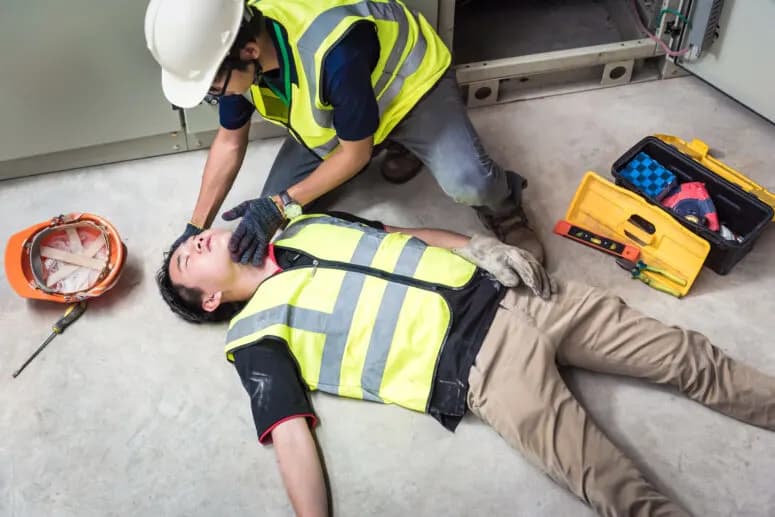
Use Case: In mining and construction, connected helmets alert supervisors instantly in case of a fall or collision.
4. Sensor-Enabled Gloves and Boots
Smart gloves detect pressure, vibration, and temperature, helping reduce repetitive strain injuries. Meanwhile, smart boots can sense slippage or uneven terrain, triggering early warnings.
5. Heat & Gas Detection Gear
In chemical or thermal industries, exposure risks are high. Modern gas detectors and heat sensors embedded into wearables can identify unsafe levels instantly — providing early alerts to avoid disasters.
6. Connected Safety Platforms
Beyond wearables, entire factories are now adopting IoT-based safety management platforms that integrate PPE data with workforce management. These systems help track attendance, health vitals, and emergency response readiness.
Keywords: connected safety system, industrial IoT safety, PPE tracking software
7. Why Businesses Are Investing in Smart PPE
Compliance: Meets advanced ISO & OSHA standards
Efficiency: Reduces downtime with predictive alerts
Employee Trust: Boosts confidence and retention
Data-Driven Safety: Enables continuous improvement
Compliance: Meets advanced ISO & OSHA standards
Efficiency: Reduces downtime with predictive alerts
Employee Trust: Boosts confidence and retention
Data-Driven Safety: Enables continuous improvement
The ROI is clear — fewer incidents, higher productivity, and a culture of proactive safety.
Conclusion
The future of industrial safety is intelligent, connected, and data-driven. As industries evolve, safety can no longer remain manual or reactive. Smart PPE bridges that gap, transforming workplaces into safer, more efficient environments.
Explore a range of smart helmets, gloves, boots, detectors, and connected PPE systems on Safety Online — your single platform for verified industrial safety suppliers in India.