The Rise of Smart Safety Gear How Technology Is Protecting Lives on Roads & Worksites
Smart safety gear is changing how we protect lives — from helmets that send crash alerts to wearables that detect danger before it happens. Discover how technology and trusted platforms like SafetyOnl
From Helmets to Smart Helmets — A New Era of Safety
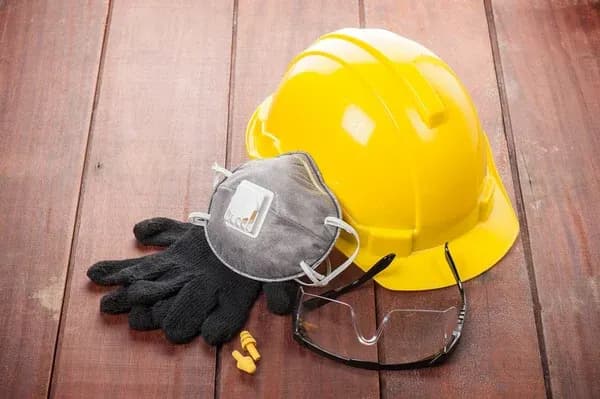
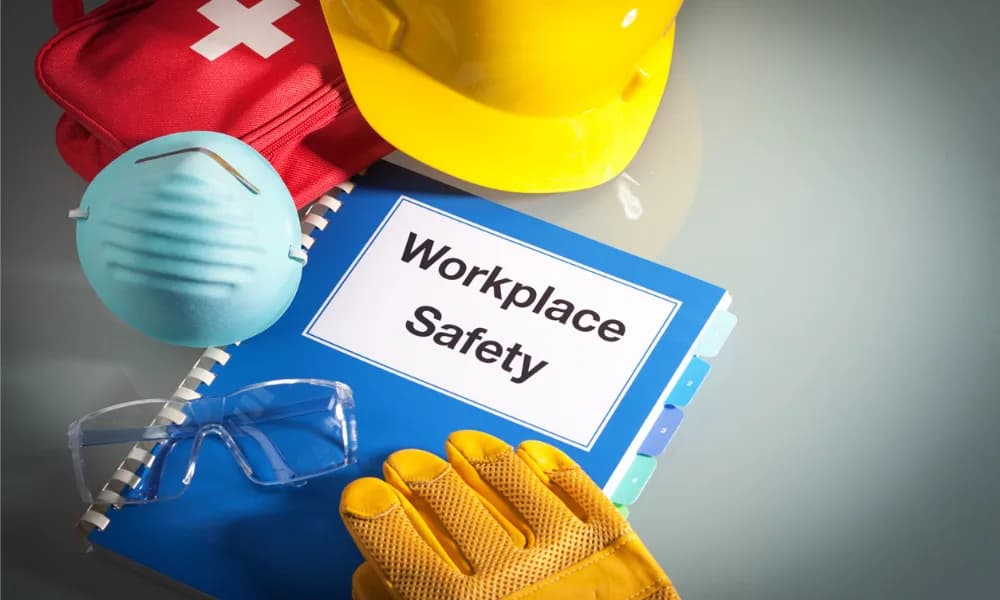
There was a time when safety gear simply meant a sturdy helmet, a pair of gloves, or a reflective jacket.
Fast forward to 2025 — we’ve stepped into an era where technology isn’t just enhancing protection, it’s transforming it.
From construction sites to factory floors and busy roads, smart safety gear powered by IoT, sensors, and AI is quietly saving lives every day.
What used to be reactive — protecting people after an accident — is now becoming predictive, helping us avoid one altogether.
And as awareness grows, platforms like SafetyOnline.in are helping users explore certified innovations and verified smart safety products — making the future of safety smarter, not just stricter.
1. The Shift Toward Smart Protection
Traditional safety gear has always been about reacting — helmets to prevent head injuries, gloves to protect hands.
But technology has changed that story.
Smart gear adds intelligence to protection:
Sensors detect changes like high impact, toxic gas, or even fatigue.
Connectivity sends instant alerts to supervisors or emergency contacts.
Data collection identifies patterns and helps prevent future incidents.
This shift is reshaping how organizations think about safety — from mere compliance to genuine prevention. It’s no longer just about checking a box; it’s about protecting real people, in real time.
2. Smart Helmets: The New Frontier of Road & Industrial Safety
Helmets have always symbolized protection. But today’s smart helmets are like having a personal safety assistant.
They now feature:
Crash sensors that trigger automatic emergency alerts.
Bluetooth communication for hands-free navigation.
Built-in cameras to record incidents for transparency.
GPS tracking to monitor riders or workers in real time.
For riders, this can mean help arrives faster after an accident. For industrial workers, it means better coordination and safety monitoring.
Verified marketplaces like SafetyOnline.in help ensure these helmets meet strict safety standards — so users get innovation and trust in one place.
3. IoT on Worksites: Prevention Through Connection
Worksites are dynamic, unpredictable spaces — and that’s where IoT (Internet of Things) steps in.
Imagine a connected network where every worker, tool, and machine talks to each other.
Smart wearables monitor heart rate and temperature, alerting workers before fatigue sets in.
Sensors detect gas leaks or air quality changes instantly.
Smart badges send location alerts if someone enters a restricted zone.
Supervisors get live dashboards showing everyone’s safety status.
It’s proactive, data-driven safety — a digital safety net that catches danger before it strikes.
Through educational insights and verified products, Safety Online helps Indian businesses understand and adopt such connected solutions responsibly.
4. AI and Data Analytics: Predicting Risks Before They Happen
Behind every smart safety product lies something even smarter — data.
AI-driven systems are now turning that data into life-saving predictions.
Here’s how:
Predictive analytics highlights high-risk areas and behavior.
Smart cameras recognize when PPE isn’t being used correctly.
AI-driven dashboards send early warnings based on repeated patterns.
It’s like having a virtual safety officer that never sleeps — watching, learning, and improving every day.
At Safety Online, users can explore resources that explain how AI-based safety tools work — helping people make informed decisions, not impulsive ones.
5. Smart Fire & Gas Detection Systems: The Silent Guardians
In industrial spaces, seconds can mean everything.
Smart fire and gas systems are designed to give those extra seconds.
They can detect leaks, trigger alerts, and even activate suppression systems automatically.
Factories, refineries, and warehouses across India are already using these to protect workers — and ensure compliance with global safety standards like BIS, CE, and ISI.
By connecting buyers with verified suppliers, Safety Online ensures industries don’t fall for unverified or unsafe alternatives — because in safety, authenticity is everything.
6. Digital Training: Learning Safety in the Cloud
Smart safety isn’t just about gadgets — it’s also about smart learning.
From VR-based fire drills to online hazard training, technology is changing how we prepare for emergencies.
Virtual reality allows workers to experience high-risk scenarios safely.
E-learning modules make safety training accessible to anyone, anywhere.
Through its educational resources and awareness-driven content, SafetyOnline.in is helping both professionals and everyday users learn smarter, faster, and safer.
7. The Future: When Safety Becomes Part of Daily Life
Smart safety isn’t just for heavy industries anymore. It’s slowly becoming part of everyday life.
Picture this:
Helmets that monitor air quality for urban riders.
Jackets that light up automatically in low visibility.
Gloves that track fatigue for delivery professionals.
The line between “safety gear” and “smart accessory” is fading — and that’s a good thing.
The more safety integrates into daily life, the fewer accidents we’ll see.
And platforms like Safety Online are ensuring these innovations are accessible, verified, and understood by everyone.
Smarter Tools, Safer Lives
Technology is redefining what safety means — from something you wear to something that thinks with you.
Smart helmets, connected PPE, and IoT-driven systems are no longer the future — they’re the new normal.
But innovation alone isn’t enough.
The real difference lies in awareness — knowing which products are safe, verified, and right for your needs.
That’s where Safety Online plays its part — connecting individuals, workers, and businesses with genuine, certified solutions designed for real-world protection.
Because safety isn’t just a product — it’s a promise. And technology is helping us keep it stronger than ever.