Every Second Counts How to Act in Roadside & Workplace Emergencies
Emergencies strike without warning — whether it’s a highway accident or a fire in the workplace. Knowing how to respond can make all the difference.
The First 60 Seconds Can Save a Life
Emergencies never announce themselves.
One minute you’re driving to work or sitting at your desk — and the next, everything changes.
It’s in those first few moments — the first 60 seconds — that decisions can literally mean life or death.
How we react in that short window can make all the difference.
Whether it’s a road accident, a fire at the workplace, or a medical emergency, being prepared and staying calm is what truly saves lives. Let’s break down how you can be ready for those moments — not by fear, but through awareness.
1. The Golden Rule: Stay Calm Before You Act
When panic sets in, clarity fades.
Your heart races, adrenaline floods your system, and suddenly — logic disappears. That’s why step one in any emergency is simple but powerful: breathe first, act second.
Here’s how to center yourself in those moments:
Take one deep breath to reset your focus.
Quickly assess the situation before rushing in.
Make sure you are safe before helping others.
This small pause helps you act smarter, not faster.
It’s what safety experts call situational awareness — being alert, observant, and intentional.
At SafetyOnline.in, we believe preparedness starts with awareness. Gear and tools matter, yes — but mindset comes first.
2. Roadside Emergencies: What to Do After an Accident
Road accidents remain one of the biggest causes of injury in India. Often, people want to help but don’t know how — or they freeze out of fear of “doing it wrong.”
The truth? Even simple, calm actions can save lives.
Here’s what to do step by step:
🚗 Ensure safety first
Move yourself and others to a safe spot away from traffic.
Turn on hazard lights and, if it’s dark, place reflective triangles or use your phone’s flashlight to alert others.
📞 Call for help immediately
Dial 108 (Medical Emergency) or 112 (National Emergency Number).
Share clear details: where you are, what happened, and how many are injured.
⛑️ Don’t move the injured
Unless there’s immediate danger (like fire or explosion risk), avoid moving anyone with head, neck, or back injuries.
💉 Give basic first aid if you can
Stop bleeding with a clean cloth, keep the person warm, and reassure them until help arrives.
🧰 Keep a car emergency kit handy
A small kit can save big trouble. Include:
First aid box
Reflective jacket
Flashlight
Fire extinguisher
Emergency numbers
You can find verified and certified emergency kits at trusted sources like SafetyOnline.in, where only compliant and tested products are listed — because in real emergencies, quality matters.
3. Workplace Emergencies: Acting with Confidence
Emergencies at work can range from minor cuts to serious fire or chemical accidents. Quick thinking — not panic — is your best defense.
In case of fire:
Sound the alarm and alert others.
Leave immediately — don’t waste time gathering things.
Use a fire extinguisher only if trained and it’s safe.
Never open hot doors — there could be smoke or flames behind.
For electrical shocks:
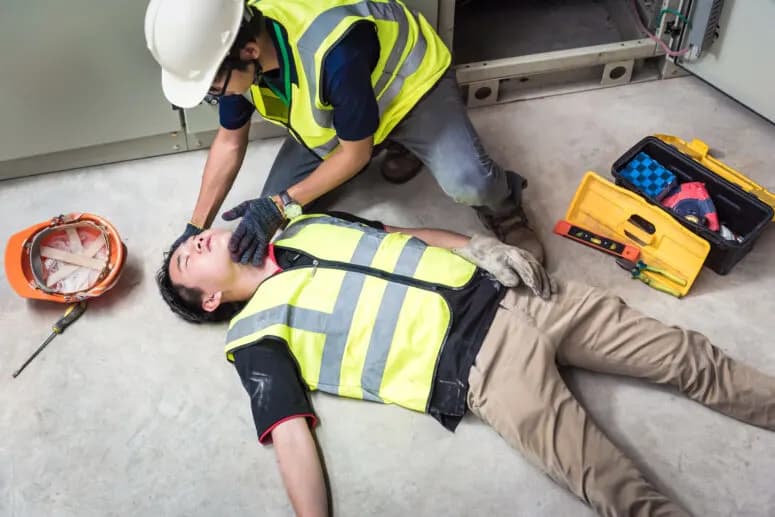
Cut the power supply before touching the victim.
Use a dry wooden stick or insulated object to separate them from the source.
Once safe, check for breathing and call emergency services.
For chemical spills:
Leave the area and alert your supervisor.
Avoid breathing fumes. Use gloves and masks if available.
Use a spill kit only if you’ve been trained.
Workplace safety isn’t just about having equipment; it’s about knowing how to use it.
Organizations that train their teams regularly — with drills, kits, and visible signage — create safer, more confident workplaces.
Platforms like SafetyOnline.in make it easier for companies to find certified fire extinguishers, PPE, and emergency signage that meet Indian safety standards.
4. The Power of Preparedness: Build Your Emergency Kit
Preparedness transforms panic into purpose.
Whether at home, in your car, or at work, an emergency kit can turn chaos into control.
Here’s what to include:
First aid supplies (bandages, antiseptic, painkillers)
Fire extinguisher
Torch with batteries
Whistle and reflective jacket
Water and energy bars
Power bank or solar charger
Contact list for emergency numbers
And remember — cheap, uncertified tools often fail when you need them most. Always choose products that are tested and verified for safety.
If you’re not sure where to start, SafetyOnline.in offers curated emergency and first aid kits compliant with Indian standards.
5. Practice Makes Protection: Why Drills Matter
Knowing what to do isn’t enough — you have to practice it.
Drills train your instincts to act fast and correctly.
For workplaces:
Hold fire or evacuation drills every few months.
Assign first-aid officers or fire wardens.
Keep exits clear and signage visible.
For homes:
Teach kids how to call emergency numbers.
Have two escape routes in case of fire.
Store first aid kits in visible, reachable places.
Preparedness becomes second nature when practiced — and that confidence saves lives.
6. Technology: The New Lifeline in Emergencies
Technology is now playing a huge role in how we handle emergencies.
Smart helmets can auto-alert emergency contacts.
Cars and apps can send your GPS location with one tap.
Digital platforms like SafetyOnline.in make verified safety tools accessible and easy to understand.
These innovations don’t eliminate risk — they help you respond faster and smarter when it counts.
Awareness Is the Real Lifesaver
Emergencies remind us how fragile life is — but also how powerful awareness can be.
You don’t have to be a doctor or firefighter to save a life. Sometimes, just knowing what to do — and having the right tools — is enough.
Build your kit. Learn the basics. Stay calm.
Because when those critical seconds arrive, being prepared isn’t just responsible — it’s heroic.