Queue Management Systems The Unsung Hero of Organised Public Spaces
Long queues and crowded waiting areas don’t just frustrate people — they can also create safety risks. A smart queue management system helps maintain order, improve efficiency, and enhance the custome
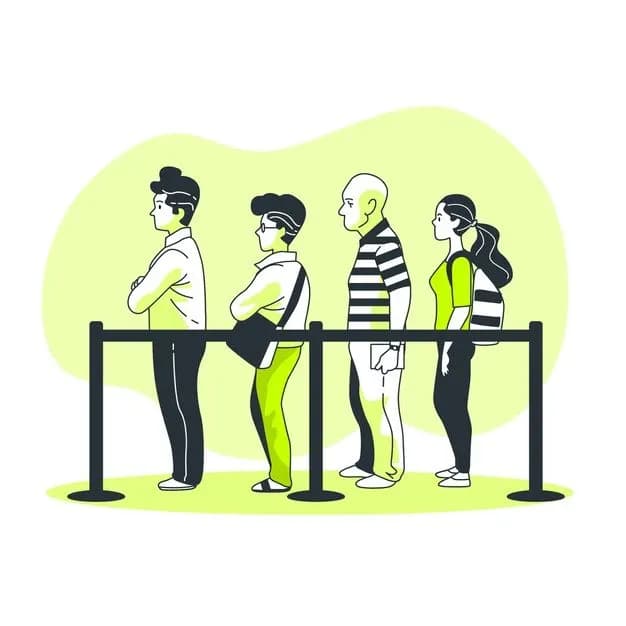
We’ve all been there — standing in a long, chaotic line that seems to move at a snail’s pace.
Whether it’s at a bank, airport, hospital, or office, unmanaged queues aren’t just frustrating — they can actually be unsafe.
That’s where queue management systems quietly step in as the unsung heroes of organised public spaces. These systems don’t just make waiting more efficient; they keep spaces safer, prevent overcrowding, and create a smoother experience for everyone involved.
Let’s dive into why queue managers are essential — and how Safety Online is helping businesses across India make crowd control simple, safe, and smart.
1. Why Queue Management Matters
A disorganised queue can cause more than just annoyance — it can lead to stress, confusion, and even accidents.
A structured queue management system helps:
✅ Reduce crowding and confusion
✅ Improve staff productivity
✅ Enhance customer experience
In short, it keeps people moving safely, calmly, and efficiently.
2. Types of Queue Management Systems
Every space is different — and so are the solutions. Here’s a quick look at what’s out there:
Manual Queue Barriers: Retractable belts or stanchions that are easy to move and perfect for flexible layouts.
Electronic Queue Systems: Token dispensers, display screens, and digital call systems that organise service flow.
Mobile Queue Solutions: Let customers book their slots via apps or QR codes, reducing physical wait times.
Each system can be customised to suit your specific space, crowd volume, and safety goals.
3. The Safety Benefits of Queue Managers
A good queue system isn’t just about efficiency — it’s about safety. Here’s how it helps:
🚧 Prevents Overcrowding: Significant in high-traffic areas like airports or hospitals.
🧍♀️ Encourages Social Distancing: Crucial for compliance during and after the pandemic.
🦺 Reduces Accidents: Clear pathways help avoid slips, trips, and collisions.
When managed right, queues can save time and prevent chaos.
4. Queue Barriers & Stanchions
If you’ve ever seen those sleek metal posts with retractable belts — that’s a queue barrier in action.
They’re simple, affordable, and surprisingly effective. Ideal for offices, stores, and government buildings, these barriers help guide movement and maintain order and discipline.
Pro Tip: Go for stanchions with stainless steel poles or weighted bases — they last longer and stay firmly in place even in busy environments.
5. Digital Queue Systems
In the digital age, queues are getting smarter too.
Modern electronic queue systems can:
Dispense numbered tickets
Display wait times on digital boards
Send SMS or app notifications when it’s your turn
Not only do these systems reduce waiting frustration, but they also collect valuable data to help businesses plan better and manage peak hours.
6. Real-World Applications
Queue management systems are used across industries — each for a good reason:
🏦 Banks & Financial Institutions: Manage high footfall and reduce peak-time chaos.
✈️ Airports & Metro Stations: Keep passenger flow organised and stress-free.
🏥 Hospitals & Clinics: Make patient queues smoother and safer.
🛍️ Retail & Entertainment Venues: Enhance customer experience while ensuring crowd safety.
Wherever people gather, a queue system helps keep things calm, safe, and efficient.
A queue management system is more than just a convenience — it’s a safety essential.
By reducing confusion, maintaining order, and ensuring social distancing, these systems make public spaces not only more efficient but also safer for everyone.
Discover the latest queue barriers, stanchions, and digital queue systems from verified sellers on Safety Online — India’s trusted platform for industrial and public safety products.
👉 Explore our full range today and make every queue a safer space.
🔗 Explore more at Safety Online